Maximizing Productivity in Steel Mills Through Effective Lubrication
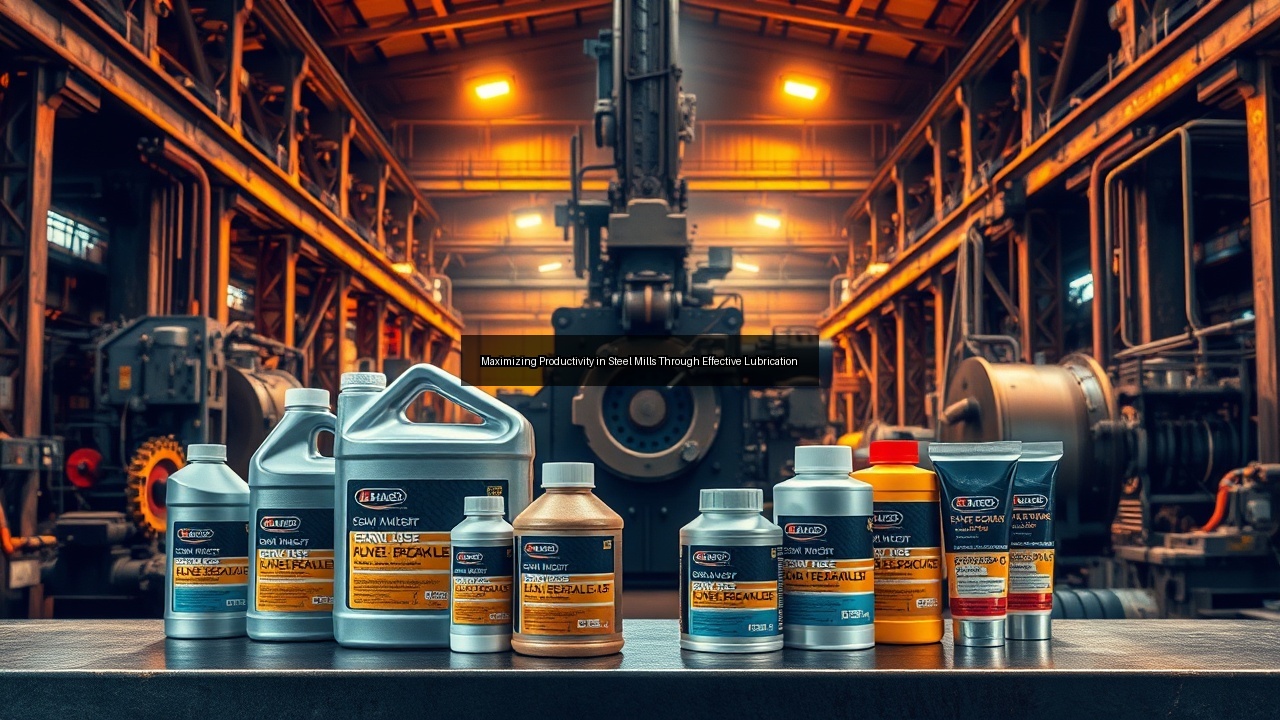
The Importance of Lubrication in Steel Production
Role of Lubricants in Steel Mills
Steel mills rely on effective lubricants to keep massive equipment running under extreme loads and temperatures. Steel mill lubricants form a protective film that cuts friction between rollers, bearings, and guides during every stage of steel production. Without proper lube, metal surfaces seize quickly, forcing unplanned shutdowns that slash output. Operators in steel plants apply these products directly to critical points in continuous casting lines and hot rolling stands to maintain smooth motion. The right choice of lubricants also prevents corrosion from scale and water sprays common in steelworks environments. This consistent protection allows crews to push machinery harder without risking breakdowns, directly supporting higher throughput in both integrated mills and mini mills.
Impact on Productivity and Efficiency
Proper lubrication drives measurable gains in steel mill productivity. Reduced friction lowers energy draw on motors and extends the life of expensive components such as rolls and gearboxes. Plants that maintain disciplined lubrication schedules report fewer stoppages and faster line speeds during casting and rolling operations. Steel industry managers track these improvements through lower maintenance hours and higher tons processed per shift. When lubricant films stay intact, operators avoid the cascading delays that occur after a single bearing failure. Over time, these steady efficiency wins compound into significant output increases without added capital investment in new equipment.
Types of Lubrication Systems Used in Steel Plants
Steel plants deploy several lubrication systems to match different process demands. Centralized oil circulation units feed large volumes of filtered lubricant to continuous casting machines and roughing stands. Grease systems deliver measured shots of lubricating grease to individual bearings on rolling mills where oil would wash away. Air-oil mist setups provide precise coverage in high-speed finishing sections while keeping consumption low. Many facilities combine these approaches, routing metalworking fluids to cutting zones and greases to slower, heavily loaded points. Each system includes filtration and monitoring so technicians can spot contamination before it reaches critical surfaces and disrupts steel production.
Types of Lubricants for Steel Mills
Overview of Metalworking Fluids
Metalworking fluids serve multiple roles in steel mills beyond simple lubrication. These water-miscible or neat oil formulations cool hot surfaces during slab cutting and tube bending while flushing away chips that could damage tooling. In steel production environments, the fluids must resist bacterial growth and maintain stability under constant recirculation. Plants select synthetic or semi-synthetic versions for operations requiring high cooling rates and mineral-oil-based products where boundary lubrication takes priority. Consistent fluid management keeps surfaces clean and prevents staining on finished steel products, supporting both quality and uptime goals across the mill.
Choosing the Right Oils for Continuous Casting
Continuous casting demands oils that perform at temperatures above 1000 °C while resisting oxidation. Mold oils create a thin separating layer that prevents sticking between the solidifying strand and copper plates. These specialized lubricants also reduce friction on withdrawal rolls and straighteners, allowing steady casting speeds without surface defects. Steel mills evaluate oil viscosity, flash point, and thermal stability before committing to a grade. Proper selection minimizes breakout risks and extends mold life, directly raising the tons of quality steel produced per campaign. Regular testing of used oils helps crews adjust feed rates and catch degradation early.
Benefits of Using Greases in Hot Rolling Processes
Greases excel in hot rolling applications where liquid oils cannot stay in place. Lithium-complex and calcium-sulfonate greases maintain film strength on work rolls and backup bearings despite radiant heat and water jets. This staying power cuts wear rates and allows mills to maintain tighter gauge tolerances over longer production runs. Steelworks crews also value the sealing effect of greases that keep scale and water out of bearing housings. When applied on schedule, these products extend relubrication intervals and reduce the volume of lubricant needed, lowering both handling costs and disposal burdens associated with rolling operations.
Enhancing Performance with Effective Lubrication Strategies
Best Practices for Bearing Lubrication
Bearing lubrication programs in steel mills start with clean storage and precise application quantities. Technicians calculate the correct grease volume based on bearing size and speed, then verify delivery through sight glasses or automated counters. They rotate stock to prevent age-related thickening and use high-temperature greases rated for the actual operating conditions in hot strip mills. Regular vibration analysis confirms that lubricant films remain effective, allowing early detection of issues before bearings fail. These disciplined steps keep critical equipment available and support the continuous operation required for competitive steel manufacturing.
Gear Lubrication Techniques for Steelworks
Gear lube in steelworks must handle shock loads and slow speeds typical of mill drives. Enclosed gearboxes receive extreme-pressure gear lubricants that form sacrificial films under boundary conditions. Open gear systems rely on spray-applied compounds that adhere to teeth despite dust and heat. Plants monitor oil condition through particle counting and acid-number tests, changing fluid only when additives deplete rather than on fixed calendars. This condition-based approach cuts waste while protecting expensive pinions and bull gears that transmit power to rolling mills. Proper gear lubrication also reduces noise and vibration that can affect nearby precision equipment.
Optimizing Lubricant Application in Rolling Mills
Rolling mills achieve peak performance when lubricant reaches the roll bite at the right volume and temperature. Operators adjust nozzle placement and pressure to create a uniform film that reduces roll force and improves surface finish on strip and plate. Automatic systems meter steel mill lubricants in sync with mill speed, avoiding both under-lubrication that causes scoring and over-application that creates housekeeping problems. Crews also manage lubricant temperature to maintain viscosity within the target window, ensuring consistent protection across different steel grades and thicknesses. These controls raise mill availability and product quality simultaneously.
Cost Considerations in Steel Mill Lubrication
Assessing the Total Cost of Lubricants
Steel mills evaluate lubricant cost beyond purchase price alone. Factors include application labor, filtration expenses, disposal fees, and the hidden cost of downtime caused by lubrication failures. Tracking consumption per ton of steel produced reveals opportunities to switch to longer-life products that lower overall spend. Plants that compare performance data across different industrial lubricant suppliers often identify formulations that extend component life enough to offset higher unit prices. This total-cost view prevents short-term purchasing decisions that increase long-term operating expenses in steel production.
Reducing Waste and Environmental Impact
Effective steel mill lubrication programs cut waste through accurate metering and reclamation. Centrifuges and filtration units remove contaminants from used oils so they can return to service, shrinking the volume sent for disposal. Steel plants also select biodegradable greases and metalworking fluids where process requirements allow, reducing environmental liability. Scheduled leak detection and prompt repairs keep lubricants inside machinery rather than on floors or in cooling water systems. These practices lower both regulatory risk and the cost of compliance while maintaining high productivity levels.
Investing in Quality Lubricants for Long-Term Savings
Premium steel mill lubricants deliver measurable returns through fewer component replacements and extended maintenance intervals. Higher-quality base stocks and additive packages resist oxidation and thermal breakdown, protecting bearings and gears during demanding campaigns. Steel industry operators document these gains by comparing failure rates before and after product upgrades. Although initial outlay rises, the reduction in unplanned downtime and spare-parts purchases usually produces net savings within the first year. This investment mindset supports reliable steel manufacturing and protects capital equipment value over multiple production cycles.
Future Trends in Steel Mill Lubrication
Innovations in Lubricant Technology
New lubricant formulations incorporate nano-additives and synthetic base oils that withstand higher temperatures and loads in modern steel mills. These advancements allow thinner films that still protect surfaces, cutting energy losses in rolling and casting operations. Researchers continue to develop lubricants that change viscosity in response to temperature, maintaining optimal protection across varying mill conditions. Steel plants adopting these products gain competitive edges through higher line speeds and lower maintenance demands. Ongoing formulation work targets specific challenges such as scale adhesion and water contamination common in steel production environments.
The Role of Automation in Lubrication Processes
Automated lubrication systems now integrate sensors that monitor film thickness, temperature, and vibration in real time. Controllers adjust delivery rates automatically to match current operating conditions in rolling mills and continuous casters. This closed-loop control reduces human error and ensures consistent protection even during rapid product changes. Steelworks crews review system data through centralized dashboards that flag deviations before they affect productivity. Automation also supports precise record keeping for quality audits and regulatory compliance across steel plants.
Sustainability Practices for Steel Plant Lubrication
Steel plants pursue sustainability by extending lubricant life and selecting renewable or re-refined products where performance allows. Closed-loop cooling and lubrication circuits minimize fresh water and oil intake while capturing heat for reuse. Many facilities now require suppliers to provide life-cycle assessments that quantify environmental impact from production through disposal. These efforts align with broader steel industry goals to lower carbon intensity without sacrificing output. Successful programs demonstrate that responsible lubricant management supports both environmental targets and the productivity gains essential for long-term competitiveness.
See Also
- Cost-Effective Lubrication Solutions for Mini Mills
- The Future of Steel Mill Lubricants in Sustainable Manufacturing
- Enhancing Bearing Lubrication for Optimal Steel Mill Operations
- How to Choose the Best Oils for Continuous Casting in Steelworks
- Understanding the Science Behind Gear Lubricants in Steel Manufacturing