How Outsourced Assembly Services Can Boost Your Bottom Line
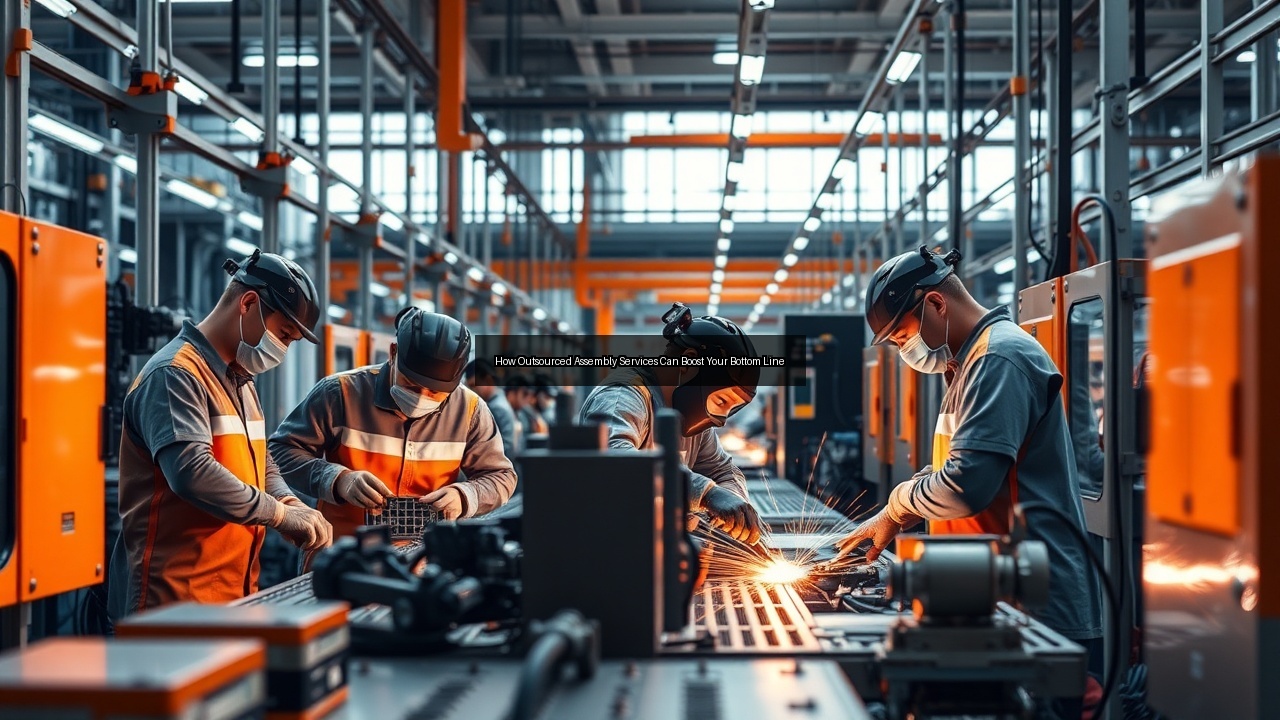
Understanding Outsourced Assembly Services
What Are Outsourced Assembly Services?
Outsourced assembly services involve delegating the assembly of products or components to a third-party provider. This practice has become increasingly common as companies seek to enhance efficiency and focus on their core competencies. In this arrangement, an external assembly service takes on the responsibility of assembling various parts, from simple components to complex assemblies. This approach not only reduces the burden on internal resources but also allows businesses to leverage the specialized skills and technologies of their partners. Companies can streamline their assembly lines, enhance reliability, and maintain quality control by outsourcing these tasks.
Key Industries Utilizing Outsourced Assembly
Several industries benefit significantly from outsourced assembly services. The automotive sector is one of the largest users, relying on external partners for everything from welding and fabrication to final assembly of vehicles. This enables automotive companies to respond swiftly to market demands while ensuring high-quality standards. Other key industries include electronics, where precision and speed are critical, and consumer goods, which often require rapid assembly to meet seasonal demand. Architecture firms also utilize outsourced services for prefabricated components, enabling them to construct buildings more efficiently. As businesses in these sectors continue to grow, the demand for outsourced assembly services will likely rise.
Benefits of Outsourcing Assembly
Outsourcing assembly offers numerous benefits that can significantly boost a company's bottom line. First, it allows businesses to focus on their core operations, freeing up resources and time to innovate and improve other areas. Second, outsourced assembly services can reduce overhead costs associated with maintaining large manufacturing plants and hiring specialized staff. Third, these services often come with established quality control measures, ensuring reliability and consistency in product output. Finally, companies can benefit from the scalability that outsourcing provides, allowing them to quickly adjust production levels in response to market fluctuations without the burden of additional fixed costs.
Enhancing Reliability and Quality Control
Importance of Reliability in Assembly Lines
Reliability in assembly lines is paramount for maintaining production schedules and meeting customer expectations. When companies outsource assembly, they often partner with providers that have proven track records in reliability. These outsourced assembly services implement robust systems to minimize errors and delays, ensuring that products reach the market on time. A reliable assembly line reduces the risk of production bottlenecks and helps businesses maintain their competitive edge. Furthermore, by outsourcing, companies can tap into advanced technologies and methodologies that enhance production reliability, leading to consistent quality and increased customer satisfaction.
Quality Control Measures in Outsourced Services
Quality control is a crucial aspect of outsourced assembly services. High-quality standards are essential for preserving brand reputation and customer loyalty. Outsourced providers often implement strict quality control measures, including regular inspections and testing, to ensure the assembled products meet industry standards. These measures can involve various techniques, such as statistical process control (SPC) and failure mode and effects analysis (FMEA), which help identify potential issues before they escalate. By relying on the expertise of external partners, companies can enhance their quality assurance processes and achieve better overall product quality, which translates to reduced returns and increased customer trust.
Role of Inspections in Maintaining Standards
Inspections play a vital role in maintaining high standards within outsourced assembly services. Regular inspections ensure that products conform to specified requirements and facilitate early detection of defects. Many outsourced assembly providers incorporate multiple inspection points throughout the assembly process, allowing for immediate correction of any issues. Whether through visual checks, functional testing, or automated inspection technologies, these practices help maintain consistency and reliability in production. Ultimately, thorough inspections not only contribute to quality assurance but also foster a culture of continuous improvement within the assembly process, benefiting both the outsourcing partner and the client company.
Impact on Time-to-Market and Cost Efficiency
Reducing Waste Through Efficient Processes
Efficient processes are crucial for reducing waste and maximizing profitability in assembly operations. Outsourced assembly services often utilize lean manufacturing principles, which focus on minimizing waste while maximizing productivity. By leveraging specialized expertise and advanced technologies, these providers can streamline operations and eliminate redundancies. This efficiency leads to reduced material waste and lower operational costs. Additionally, effective inventory management practices ensure that materials are utilized effectively, further minimizing waste. Companies that embrace outsourced assembly can significantly enhance their bottom line by adopting these efficient practices, resulting in higher profit margins and improved sustainability.
How Outsourcing Affects Time-to-Market
Outsourcing assembly can dramatically improve time-to-market, a critical factor in today’s fast-paced business environment. By partnering with experienced assembly services, companies can accelerate production timelines and respond more effectively to market demands. Outsourced providers often have established processes and systems, enabling them to ramp up production quickly without compromising quality. This agility allows businesses to launch new products faster, capitalize on market opportunities, and stay ahead of competitors. Furthermore, outsourcing reduces the need for extensive training and onboarding of internal staff, allowing companies to focus on innovation and growth.
Cost Comparison: In-House vs. Outsourced Assembly
Comparing in-house assembly to outsourced assembly reveals significant cost advantages for many businesses. Maintaining an in-house assembly line entails substantial fixed costs, including labor, equipment, and facility expenses. In contrast, outsourced assembly services operate on a variable cost model, allowing companies to pay only for the services they need. This flexibility is particularly beneficial for businesses with fluctuating production needs. Additionally, outsourcing minimizes the financial risk associated with excess inventory and unutilized capacity. By analyzing these cost factors, businesses can make informed decisions about their assembly operations, often finding that outsourcing leads to improved financial performance and sustainability.
Best Practices for Successful Outsourcing
Choosing the Right Outsourcing Partner
Choosing the right outsourcing partner is critical for successful assembly operations. Companies should look for providers with a proven track record in their specific industry, particularly those experienced in automotive, electronics, or architecture. Evaluating potential partners involves assessing their quality control measures, reliability, and production capabilities. Conducting site visits can provide valuable insights into the partner’s operations and culture, ensuring alignment with your business values. Establishing clear communication channels is also essential for fostering a productive relationship. By selecting the right outsourcing partner, companies can ensure successful assembly processes that enhance their overall performance.
Implementing Best Practices in Assembly and Fabrication
Implementing best practices in assembly and fabrication can lead to significant improvements in efficiency and quality. Companies should encourage collaboration between their teams and the outsourced assembly provider to foster innovation and continuous improvement. Establishing clear guidelines for communication, quality standards, and performance metrics creates a strong foundation for success. Additionally, integrating technology such as automation and real-time tracking systems enhances transparency and accountability throughout the assembly process. By embracing these best practices, companies can optimize their outsourced assembly services, resulting in better outputs and a healthier bottom line.
Case Studies: Success Stories in Automotive and Architecture
Numerous success stories illustrate the benefits of outsourced assembly services in automotive and architecture. For instance, a leading automotive manufacturer partnered with an outsourced assembly provider to streamline its production process. By leveraging the provider's expertise in welding and fabrication, the manufacturer reduced assembly time by 30% while maintaining quality standards. Similarly, an architecture firm outsourced the assembly of prefabricated components for a large-scale project. This decision led to a significant reduction in construction time and costs, allowing the firm to complete the project ahead of schedule. These case studies highlight how strategic outsourcing can drive efficiency and success across various industries.